Project
HANT · XEPE · HAMÍIME
Earth · Sea · Sky
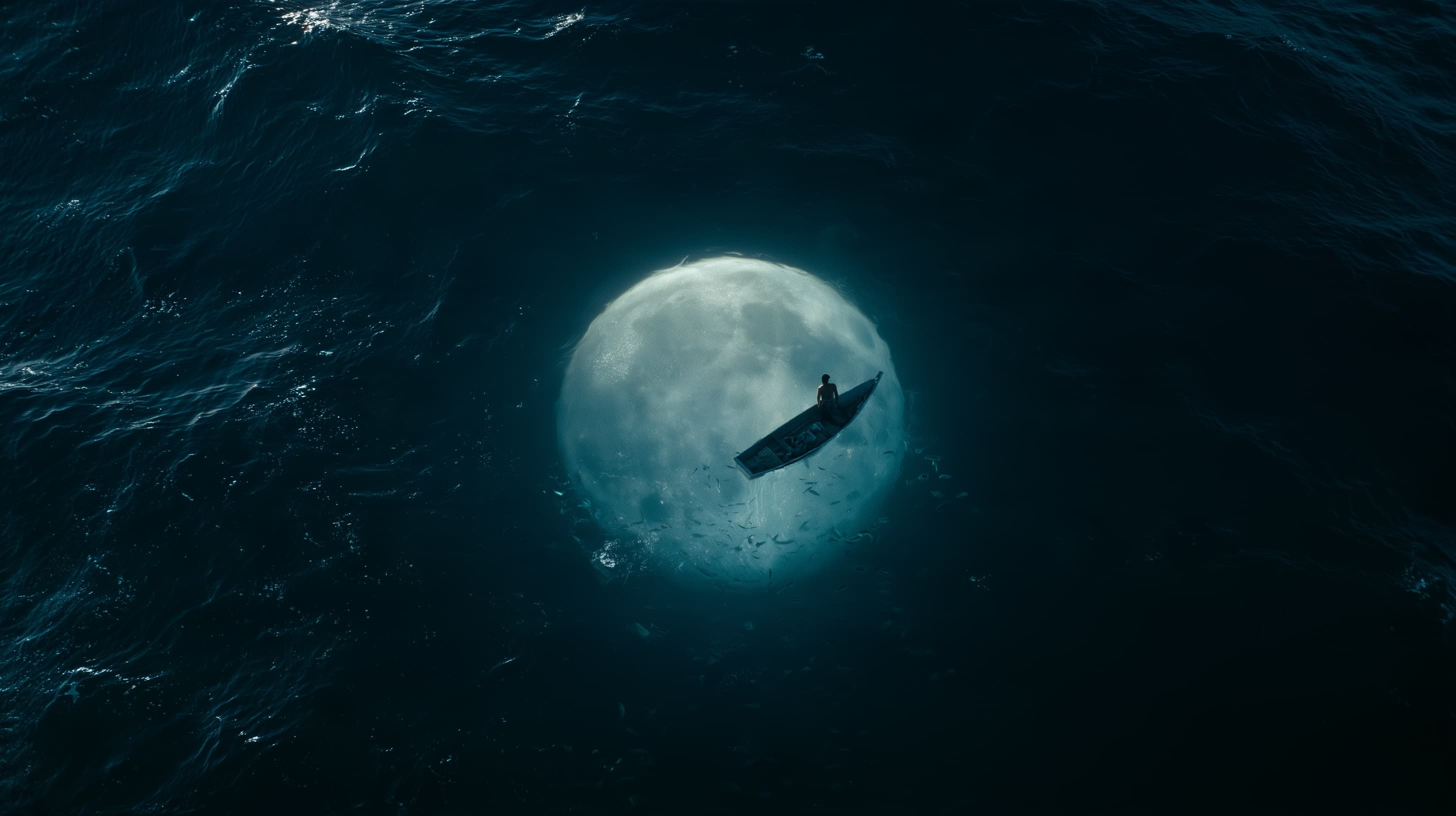
IIZAX
Moon · Month
In Cmiique Iitom, iizax means both moon and month. Comcaac time was traditionally read through lunar cycles together with stars, animals, plants and seasonal changes. Here, the moon leaves the sky and becomes part of the sea.
Contemporary visual interpretation based on documented Comcaac relationships with lunar cycles.
This series does not attempt to recreate Comcaac mythology literally. It begins with documented words, stories and ways of observing the natural world in Cmiique Iitom, then uses them as points of departure for contemporary visual fiction.
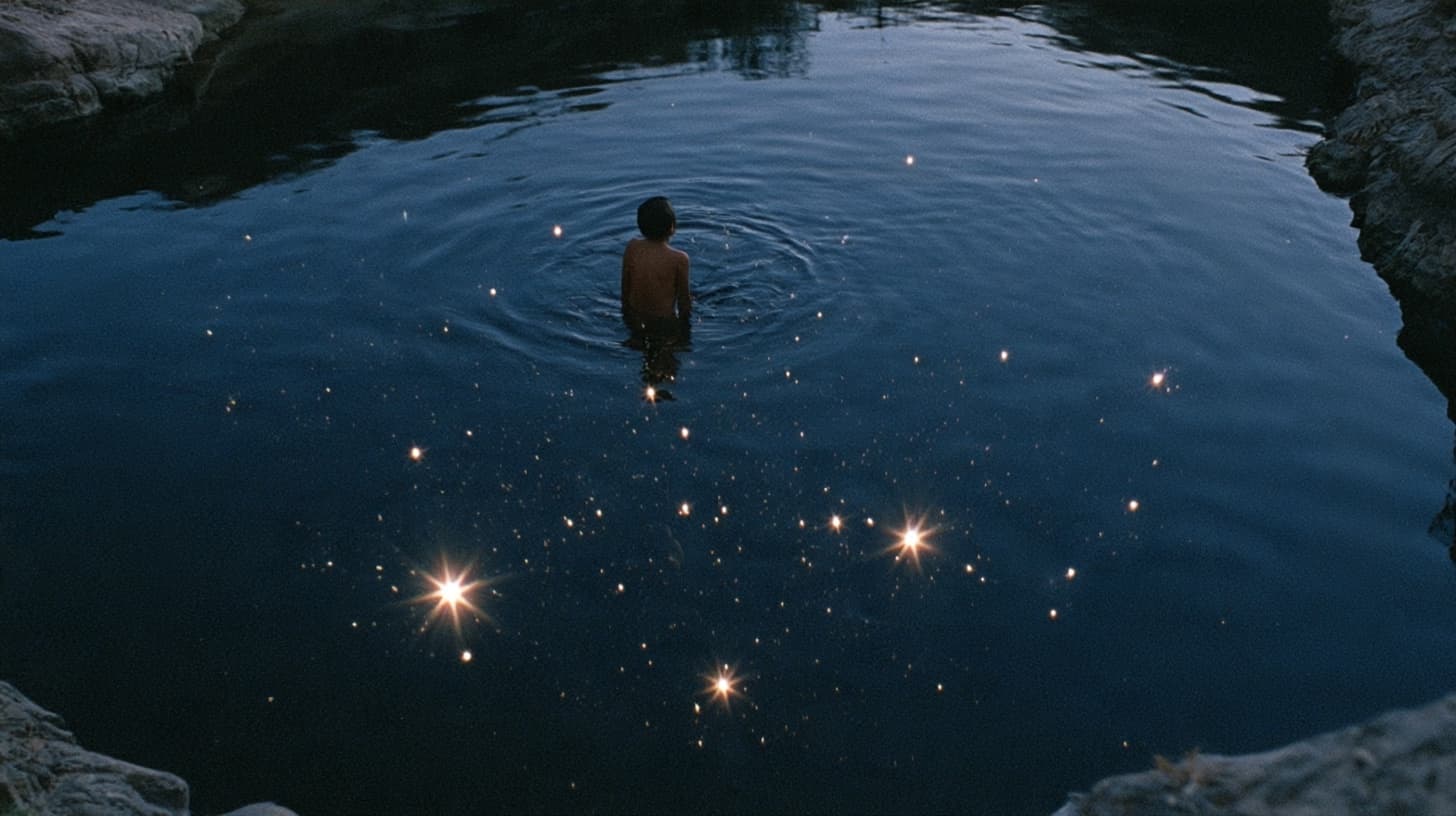
AZOJ
Star
Stars were not simply distant objects in the Comcaac sky. Their appearance, absence and movement helped mark the changing year. This image reverses the heavens: the stars are no longer above the observer, but beneath the surface of the water.
Contemporary visual interpretation based on documented astronomical knowledge.
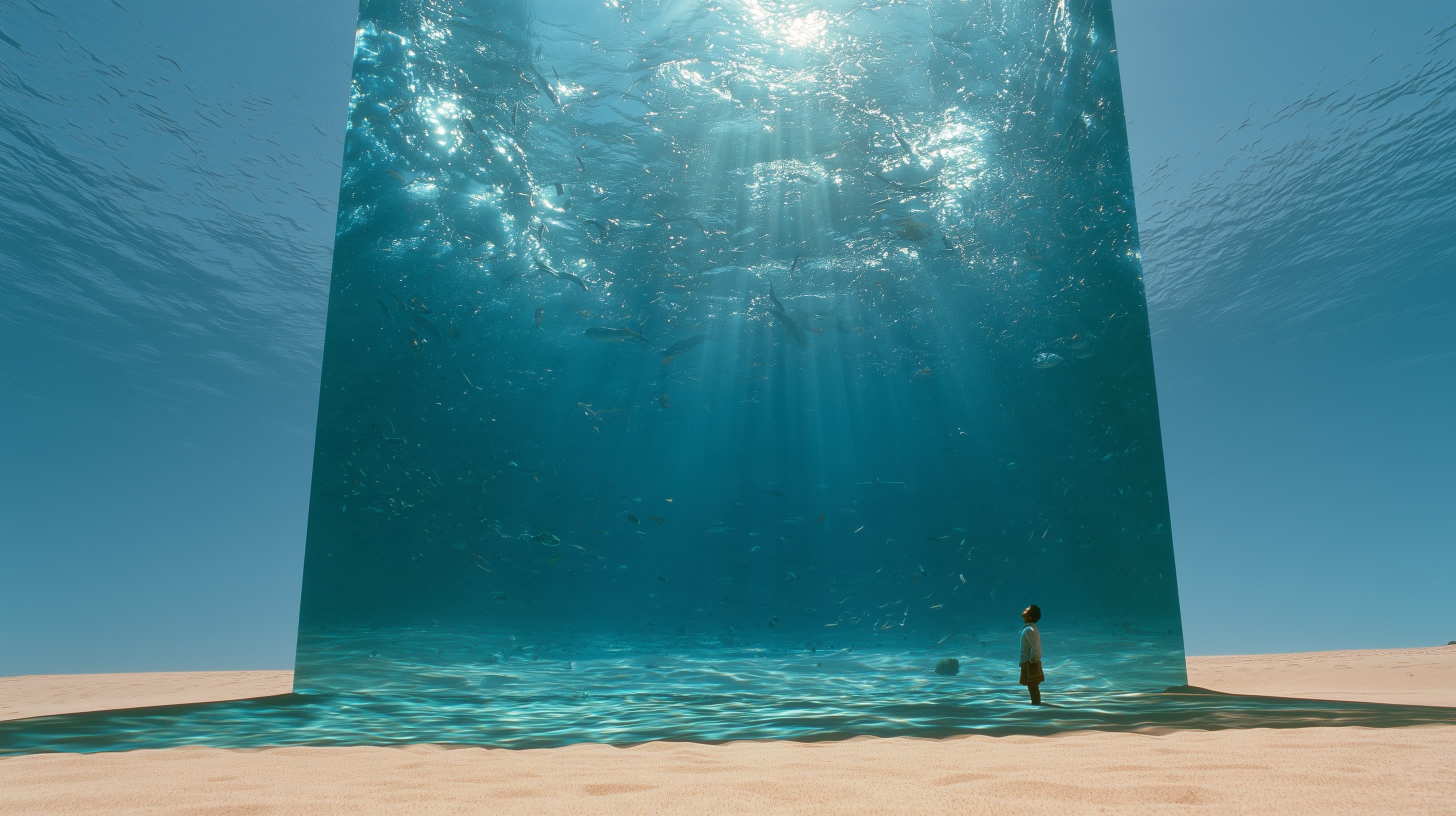
XEPE
Sea
The sea is central to Comcaac territory, subsistence and oral tradition. Here xepe is imagined not as a horizon to look across, but as a monumental presence occupying the landscape itself.
Contemporary artistic interpretation.
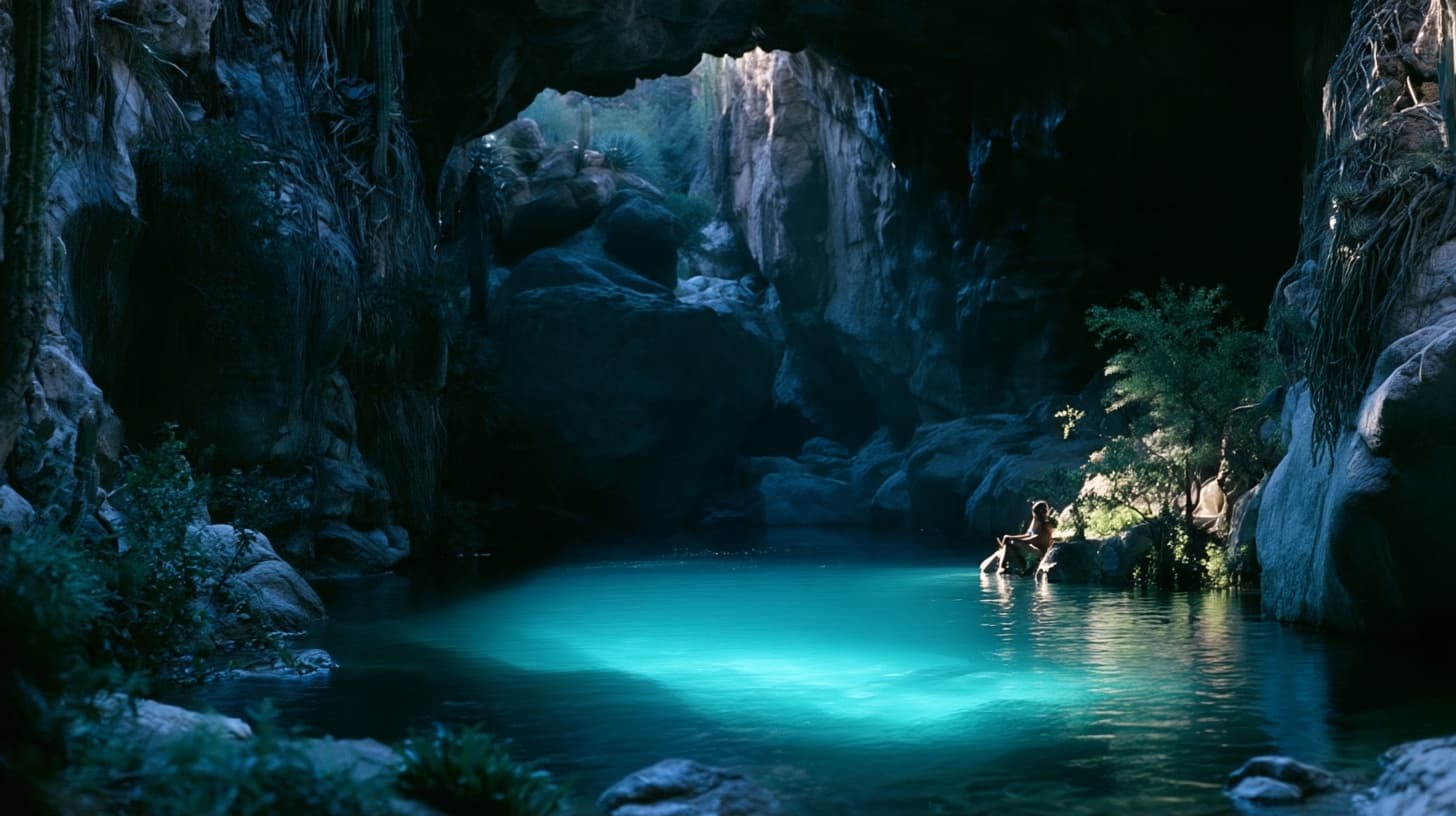
HAX
Fresh water
Cmiique Iitom distinguishes hax, fresh water, from xepe, seawater. In an arid landscape shaped by movement between scarce sources of water, this image transforms fresh water into something visibly precious: the spring produces its own light.
Contemporary visual interpretation.
AZOJ CPOC
The star that falls
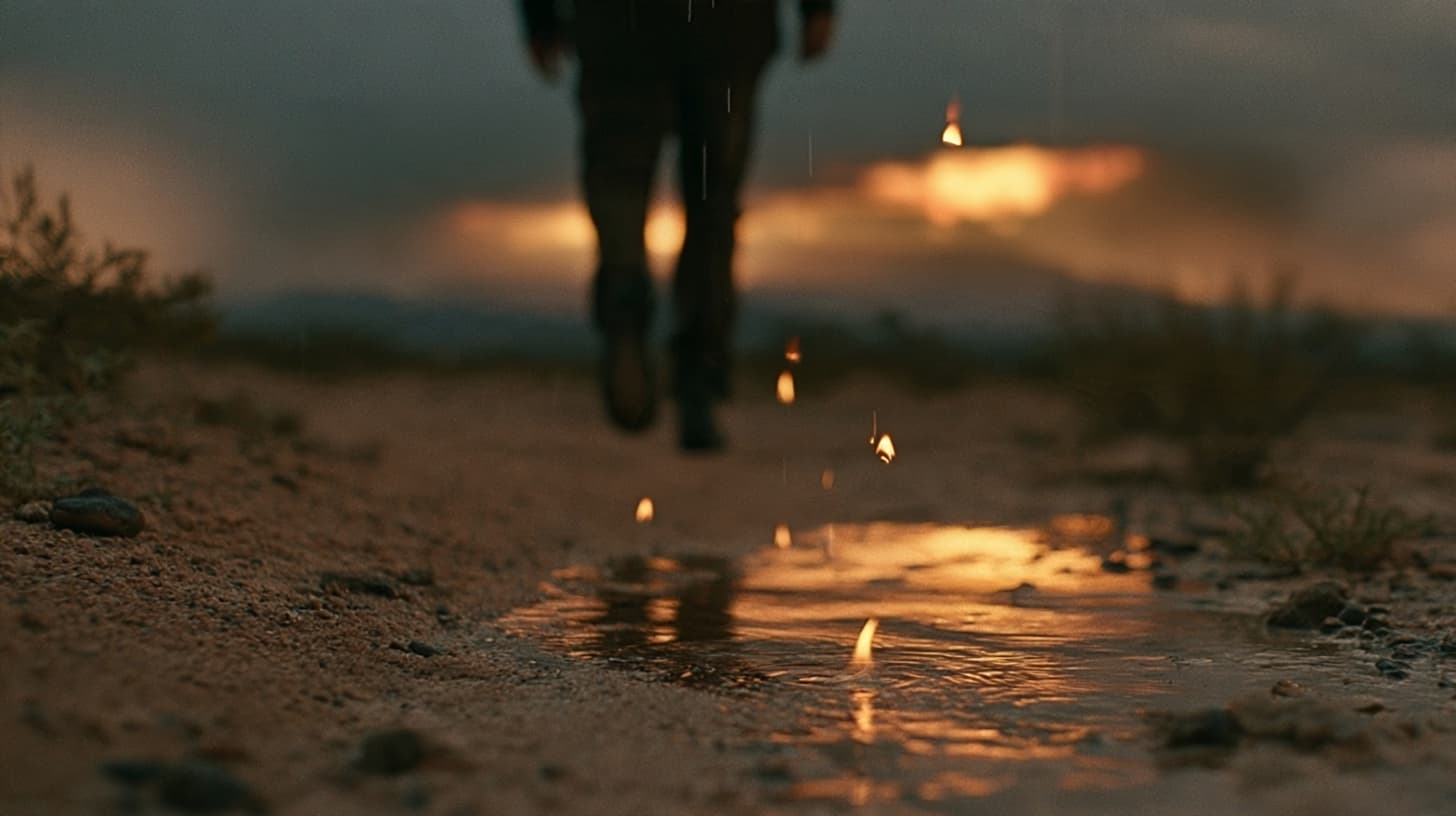
Cmiique Iitom names the meteor azoj cpoc, literally 'the star that falls.' This image expands that observation into an imagined phenomenon: instead of one falling star, fragments of fire descend from the sky and briefly inhabit the earth.
Contemporary artistic interpretation based on documented language.
MOOSNI
Sea turtle
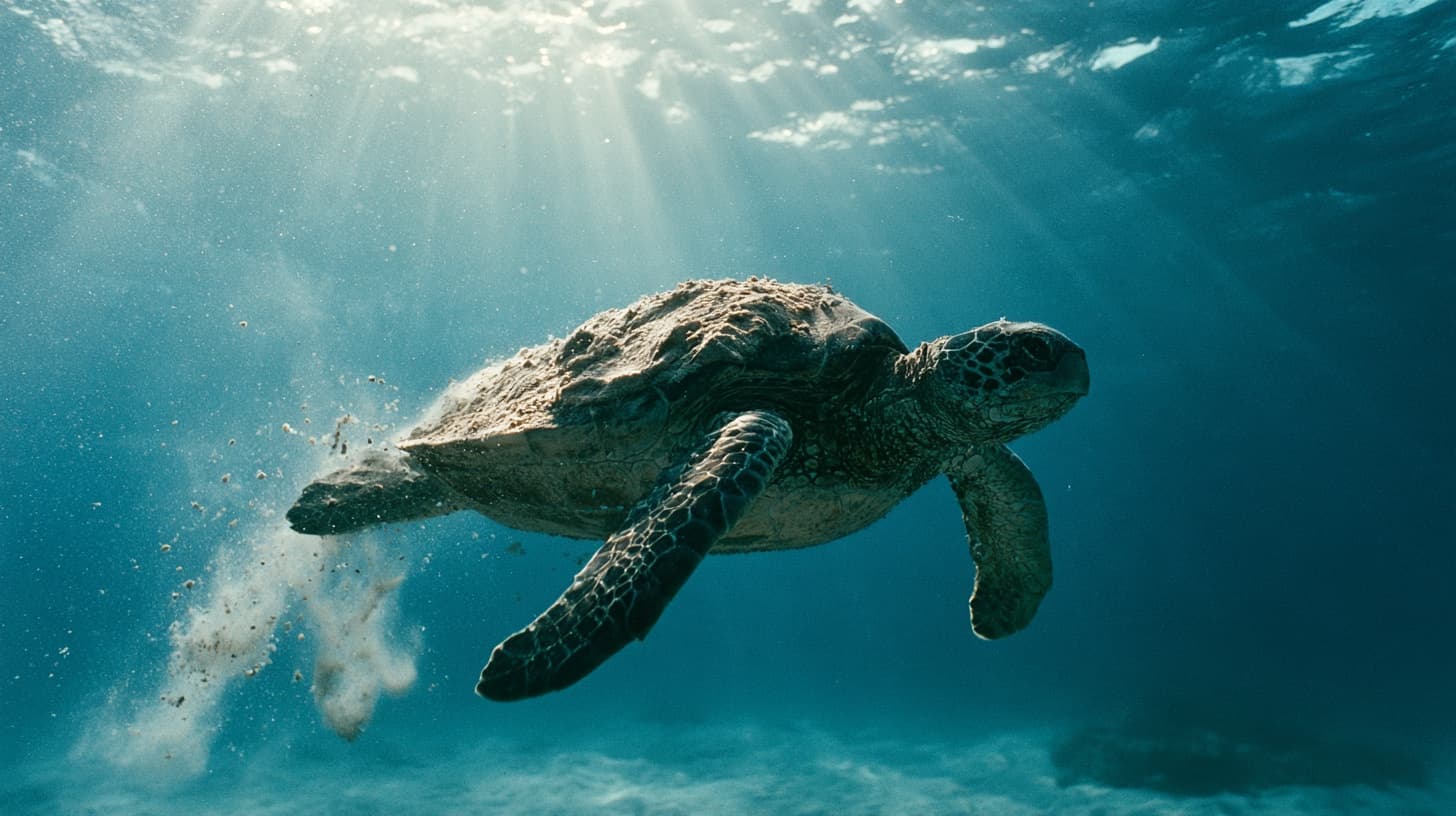
In a Comcaac creation narrative, moosni descends to the bottom of the primordial sea and returns carrying sand. From the grains she brings back, the earth can exist.
Direct visual interpretation of documented oral tradition.
The ones before
A trace from an older world
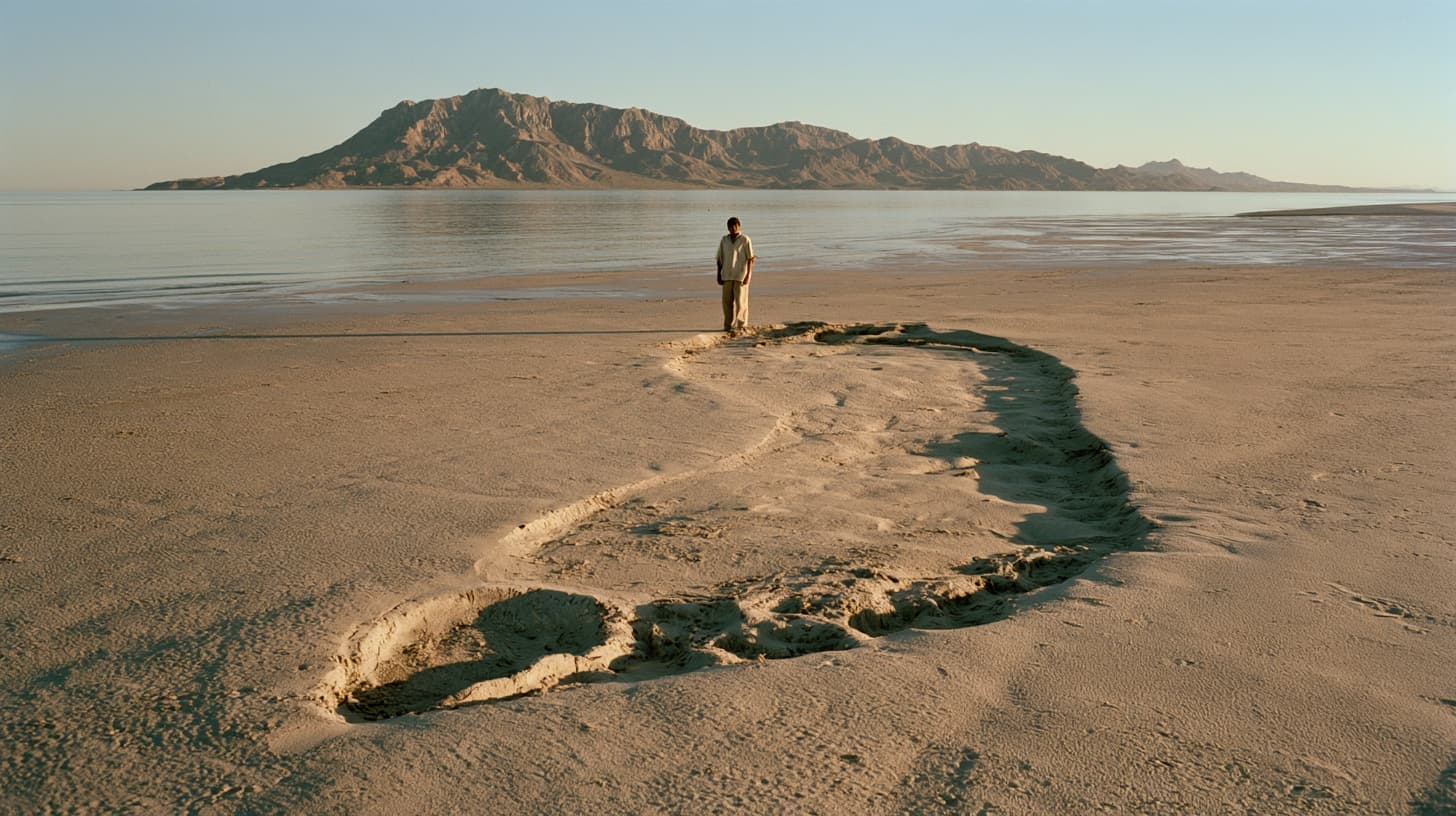
Comcaac oral tradition preserves stories of extraordinary beings associated with a distant past. The footprint does not illustrate one specific story; it imagines the landscape retaining evidence of those who came before.
Free visual interpretation inspired by documented oral tradition.
HANT · XEPE
Earth · Sea
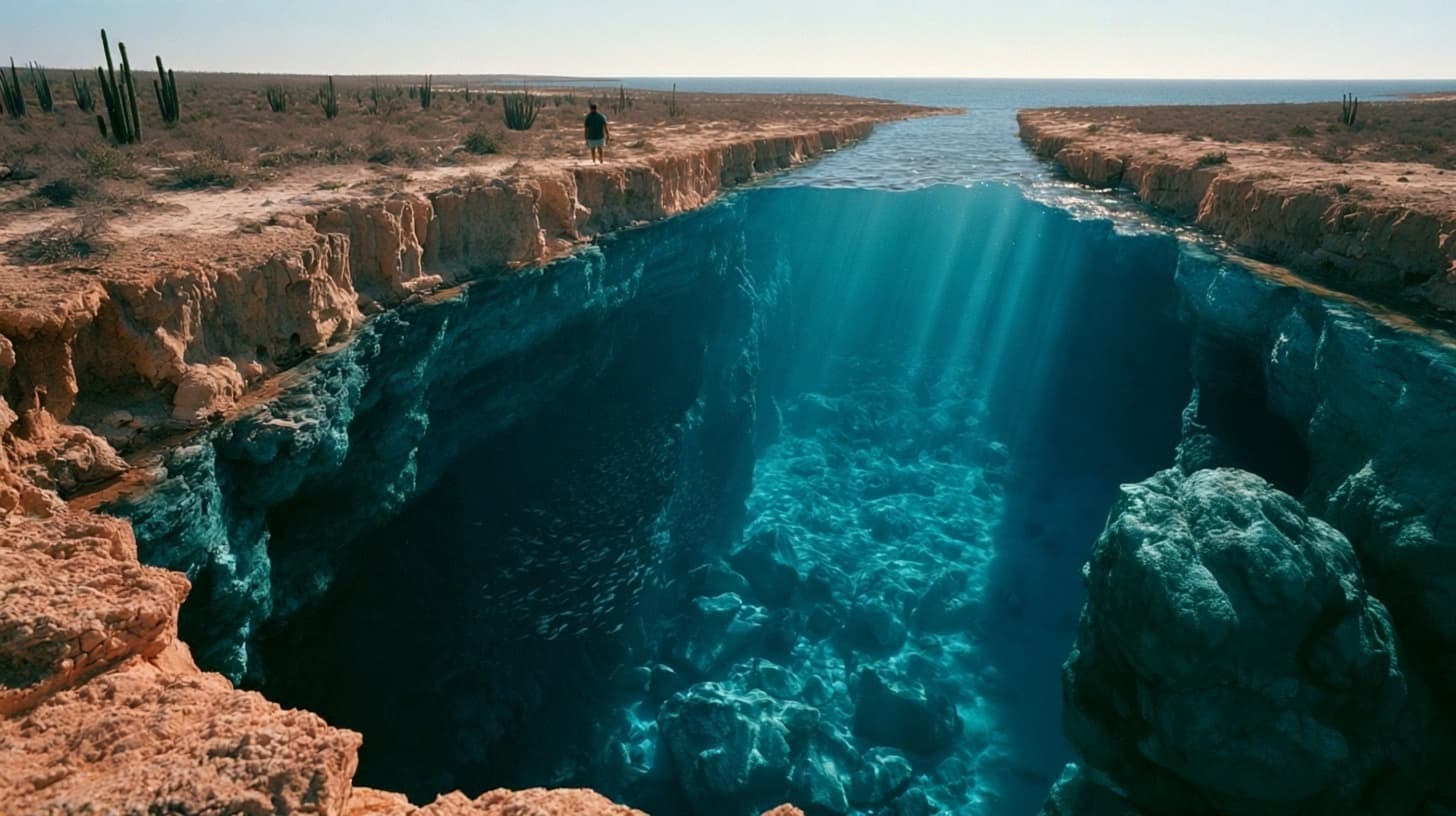
For the Comcaac, desert and sea are not opposing landscapes but parts of the same inhabited world. This image imagines that relationship literally: the earth opens and reveals the sea continuing beneath it.
Visual interpretation grounded in documented cultural and linguistic context.